When you think of a gift basket, images of chocolate, wine, and fancy truffles usually pop up. But in Melbourne, the real magic lies in the fresh, locally sourced goodies that make each basket feel personal and sustainable. This article dives into the local sourcing guidelines for gift baskets Melbourne, explaining why they matter, how to follow them, and what pitfalls to avoid. Let’s unpack the art of crafting a basket that’s as thoughtful as it is tasteful.
Why Local Sourcing Matters for Gift Baskets in Melbourne
Supporting the Local Economy
Picture a basket as a community choir—each ingredient a singer. When you source locally, you’re not just buying food; you’re investing in the livelihoods of nearby farmers, artisans, and small businesses. The ripple effect can boost local employment, keep money circulating within the city, and create a network of suppliers who thrive together.
Freshness and Quality
Local produce is often harvested at peak ripeness and delivered within hours, not days. This freshness translates into richer flavors and longer shelf life—especially important for items like berries, cheese, or freshly baked bread. When a gift basket feels vibrant, the recipient senses the care that went into its creation.
> “Quality is never an accident; it’s a result of intention.” – Sally R., Melbourne Artisan
Environmental Benefits
Shipping goods over long distances generates carbon emissions. By choosing local suppliers, you reduce the environmental footprint of each basket. Think of it as giving the planet a gentle hug while giving your gift a personal touch.
Understanding Local Sourcing Guidelines for Gift Baskets Melbourne
Defining “Local” in the Melbourne Context
In Melbourne, “local” typically refers to products sourced within the city limits or the surrounding Greater Melbourne area. This includes:
- Fresh produce from the CBD markets or nearby farms. Crafted goods from local chocolatiers, bakers, and wineries. Handmade accessories such as candles or pottery from nearby artisans.
The exact definition may vary by supplier, so it’s wise to clarify what “local” means before placing an order.
Regulatory and Ethical Standards
While there are no strict legal mandates for sourcing locally Wine hampers in gift baskets, several ethical guidelines help maintain transparency and fairness:
- Fair Trade Certification: Ensures producers receive equitable compensation. Organic or Sustainable Labels: Signals environmentally responsible practices. Local Producer Agreements: Written contracts outlining pricing, delivery, and quality expectations.
Adhering to these standards not only protects your brand but also builds trust with discerning customers.
Practical Steps to Implement Local Sourcing
Building Relationships with Local Producers
- Attend Market Days: Melbourne’s weekly farmers’ markets are goldmines for networking. Visit Workshops: Spend a day in a local bakery or chocolatier’s kitchen. Exchange Ideas: Offer to feature their products in your basket in exchange for a discount or collaboration.
Strong relationships often lead to better pricing, priority access, and unique product offerings.
Selecting the Right Products
- Seasonality Matters: Align your basket with what’s in season to maximize freshness and cost efficiency. Diverse Palates: Include sweet, savory, and artisanal items to appeal to a broad audience. Quality Over Quantity: A few premium items can outshine a larger quantity of mediocre goods.
Packaging and Presentation
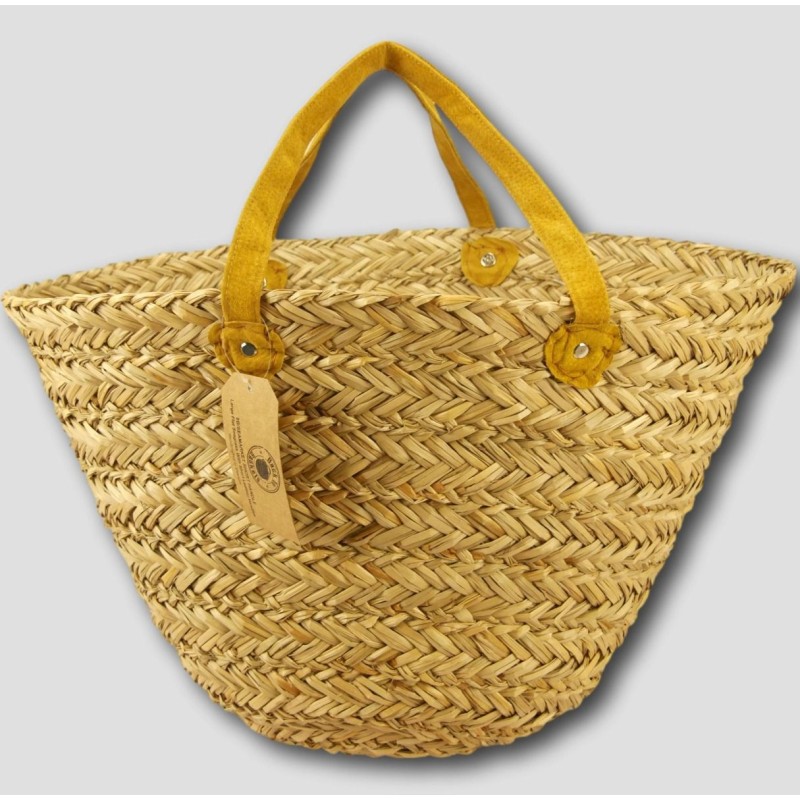
- Eco‑Friendly Materials: Recycled paper, biodegradable cellophane, or reusable baskets reduce waste. Custom Branding: Add a handwritten note or a small logo tag to personalize the experience. Layering Technique: Arrange items from heavy to light, then fill gaps with fresh produce or dried herbs for a visually appealing stack.
Common Challenges and How to Overcome Them
Supply Chain Consistency
Local producers may have limited output or seasonal constraints. Mitigate this by:
- Diversifying Suppliers: Have backup options for each product category. Planning Ahead: Order staples well in advance, especially during peak demand periods.
Cost Management
While local goods can sometimes be pricier, thoughtful budgeting can keep costs in check:
- Bulk Purchasing: Negotiate bulk rates for items like honey or nuts. Seasonal Discounts: Take advantage of surplus produce when prices dip. In‑House Assembly: Reduce labor costs by assembling baskets in-house rather than outsourcing.
Case Study: A Melbourne Gift Basket Vendor
The Journey of “Baskets & Brunch”
When Emily launched Baskets & Brunch, she wanted more than a profitable business—it had to feel like a community hub. She started by sourcing chocolate from a local chocolatier, berries from a nearby orchard, and handmade ceramic mugs from a Melbourne potter. Her first basket sold out within a week, and customers praised the freshness Additional reading and authenticity.

Lessons Learned
- Transparency Builds Loyalty: Emily included a small card explaining each supplier’s story, which resonated with eco‑conscious buyers. Feedback Loop: She asked customers to rate each item, using the data to refine future baskets. Collaborative Marketing: Partnering with local cafés for cross‑promotions amplified reach without hefty advertising costs.
Making Your Selection Count
Choosing local ingredients for gift baskets Melbourne isn’t just a trend—it’s a thoughtful strategy that benefits everyone involved. By understanding the guidelines, building solid supplier relationships, and staying mindful of cost and consistency, you can create baskets that delight recipients and support the local economy. Remember, a well‑crafted basket is like a well‑tuned orchestra: each component plays its part, and together they produce a harmonious experience.
So, next time you’re curating a gift basket, ask yourself: “How can I bring the flavors of Melbourne into this gift?” The answer lies in local sourcing guidelines for gift baskets Melbourne—and in the genuine care you put into every selection.